2017 hands down has been the most action packed year for all of us at Take Flight Coffee. It feels like we have thrown everything at it that we could muster. All in all we can’t really complain as Take Flight has grown in size not only in volume but in staff as well. Along the way we have built a unstoppable team spirit and a strong foundation on which we can build upon.
I was originally going to post this to our news section of our website but it just got way to long so here it is, in its entirety.
Rather than focusing on 1 part of our year I thought I would give a few bullet points in each month that were the highlights.
January
We made our annual trip down to Honduras where we found that the Caballeros have made so many advances on their land. From a newly built cupping lab with sample roasters installed to an extension of their african drying beds, to the addition of many more varieties to their nursery. It’s during this trip that we bought from their farm Tanairi and a rare variety for Honduras called Java which we sold as our first installment in the Black Label Series.
February
Douglas Meils climbed out from the mountains in Washington State and joined Take Flight. For those who don’t know him, his coffee career spans over a decade working for the likes of Intelligentsia and as Handsome’s Head Roaster for 3 years while they changed the face of specialty coffee on the West Coast. What a find, a character and a confidant.
This month, we opened up ourselves to new potential in Guatemala! I had to say goodbye to old relationships and say hello to new ones-and I was equally excited to start anew. We found a small group of growers from a new program named El Quiche which has become a staple in our blends.
Then remarkably in a table of 90 samples and 180 cups of coffee I select 3 samples that all scored 90+ and all end up being from the one farm. El Piloncito, we managed to secure their first coffees sold to specialty coffee market and boy we can’t wait to bring them back in 2018.
March
We interview Alvin Kim or should I say he interviews me? Alvin on his 2nd interview with me came prepared with two seperate page turning documents with our logo and all on how he would grow Take Flight. Needless to say he quickly became one of our biggest assets and more importantly a friend to us all.
Dalton, who had already been with us for a month, is quietly waiting in the rough for his time to shine. When he does, we all stop whilst breathing from our mouths and take note. Dependable, always shows up to work early, and just gets shit done.
We headed to Nashville to take in the sights and walk the floor of the Nashville coffee festival. It is a great chance for us to see a lot of people we know, meet some new ones and spread the word about Take Flight.
April
With a brand spanking new wrap around our truck, which we lovingly call Big Betty, we take our even newer coffee cart down to San Diego for the beer and coffee festival put on by Modern Times.
The coffee cart opens us up to all sorts of opportunities and suddenly, we’re popping up in many different locations: from Dogtown Crossfit to back stage at Coachella and KROQ’s party house. We got to meet and greet multiple musicians and even Aussie rock gods Empire of the Sun.
We ended April by renting a massive Tahoe SUV and road tripped from Los Angeles to Seattle for the SCA’s annual conference where we man the booth at the first ever Roasters Village. We held a cup tasting competition at our booth and tried and give away a ton of prizes whilst sponsoring the US Cup Tasting Championships.
May
On the back of gaining a design award for our 12oz boxes, we did a photoshoot for all our merchandise and update our website. It was finally starting to feel complete.
We released the Black Label Series, Las Amazonas from Honduras, a Java variety that we flew in for the SCA, got lost at LAX for two weeks and had to drive to pick it up ourselves. Customs even put a lock on the coffee so we couldn’t open it until it was cleared (which ended up being 1 hour before our roast day ended). We cried with joy.
Take Flight experienced a growth spurt this month and we started to put on 2 accounts per week, which had us all a flitter.
June
We hosted and judged our 2nd latte art throwdown with $1000 in cash prizes up for grabs at Red Berry in the South Bay area. We had no idea how many people would turn up and were surprised to say the least that it was jammed packed and we had to turn people away.
We were the only coffee vendor at the LA Design Festival, a super cool event where all the celebrated designers and artist convened. I sat on a panel called FoodxDesign and spoke about our packaging, design process, and how it all represents our brand, among other things.
July
The word is spreading South, and we start to find partnerships in Long Beach and San Diego! We went as far as to host a meet and greet at Moniker’s creative work space. I had the chance to talk about my life in coffee, Direct Trade, and generally have a great time meeting like minded entrepreneurs
At Unique LA, we take on a massive market and win! We fueled all the exhibitors and attendees over two days in a line that just never seemed to end. It was held at the Santa Monica airport in one of their hangers and was is truly a sight to be seen.
August
Spencer Pratt talks about Take Flight on his Instagram stories. *drop mic, walk off stage*
Other stuff happened but how can you top that???
September
Boom another record month, we start working with 13 new wholesale partners and we could not be happier.
I also attend Tamper Tantrum, I have been wanting desperately to sit in one of these events and nerd out; I was not disappointed. Did you know that we need to double the world’s production of coffee on half the amount of land by 2050? Sounds bad, but it is doable with planning, they say.
October
I turn 40 and spend most of the week leading up to it complaining that my bones are starting to ache.
Our favorites Coffee Commissary open up a new location in Glendale and kill it. I witness a literal horse been brought into a cafe in Burbank and am too afraid to post it to IG for fear that they would get shut down.
We help wake up Disney’s head office in Burbank after they crushed a all nighter launching some tech stuff that is so super secretive I could get shot just writing that we were there.
November
Our coffees found their way over to Japan where they were “unboxed” for a ThanksGiving special that Simon and Martina Stawski put on youtube live and their crazy amount of followers. We had no idea how it got over there but we are thankful and now regularly tune into their youtube channel where they review sushi. Crazy fun world we live in, eh?
This month, we supported John Marshall High School in Silverlake by making coffee for their basketball fundraiser. I learned they shot part of the film Grease there, which means I was walking on ground that Olivia Newton John had walked on *gush*.
We finished off the year with the massive Unique LA Holiday market and then parked the cart at Truecar.com’s LA office to keep them caffeinated in their first inaugural hackathon!
December
The last 6 months we have seen month after month growth, it has been incredible to see.
We released a holiday gift box and the hunt for a warehouse began to ramp up.
We started to gain some recognition this month: Sprudge.com nominated us for Notable Roaster and days later, Thrillist.com put us in the top 21 Coffee Roasters in the US. We are gobsmacked.
Phew.
As I wrote this, I couldn’t believe how much we’d done and achieved-and this is not even all that we have done! We have been so incredibly busy and I can’t thank everyone enough for being a part of this journey. To think that this all has been done without a home to call our own, no million dollar buildouts just good old fashioned hard work and a can-do attitude.
Chelsea
I have not mentioned my wife in this story as yet as she needed her own section all of her own. What a woman, she, like I had no clue what we were getting into and what we would ultimately have to sacrifice to make Take Flight work. She left her broadway career to focus TV and Film but soon was quickly consumed with Take Flight.
She never complains, is fantastic with our staff and wonderful with our customers and has proven to be the back bone of the business. For that I thank her, and count my lucky stars that she sauntered into my life back in Brooklyn in 2014.
To End
We have so many exciting things ahead we truly are just scratching the surface of what is to come. Keep an eye out on this page and Take Flight Coffee.


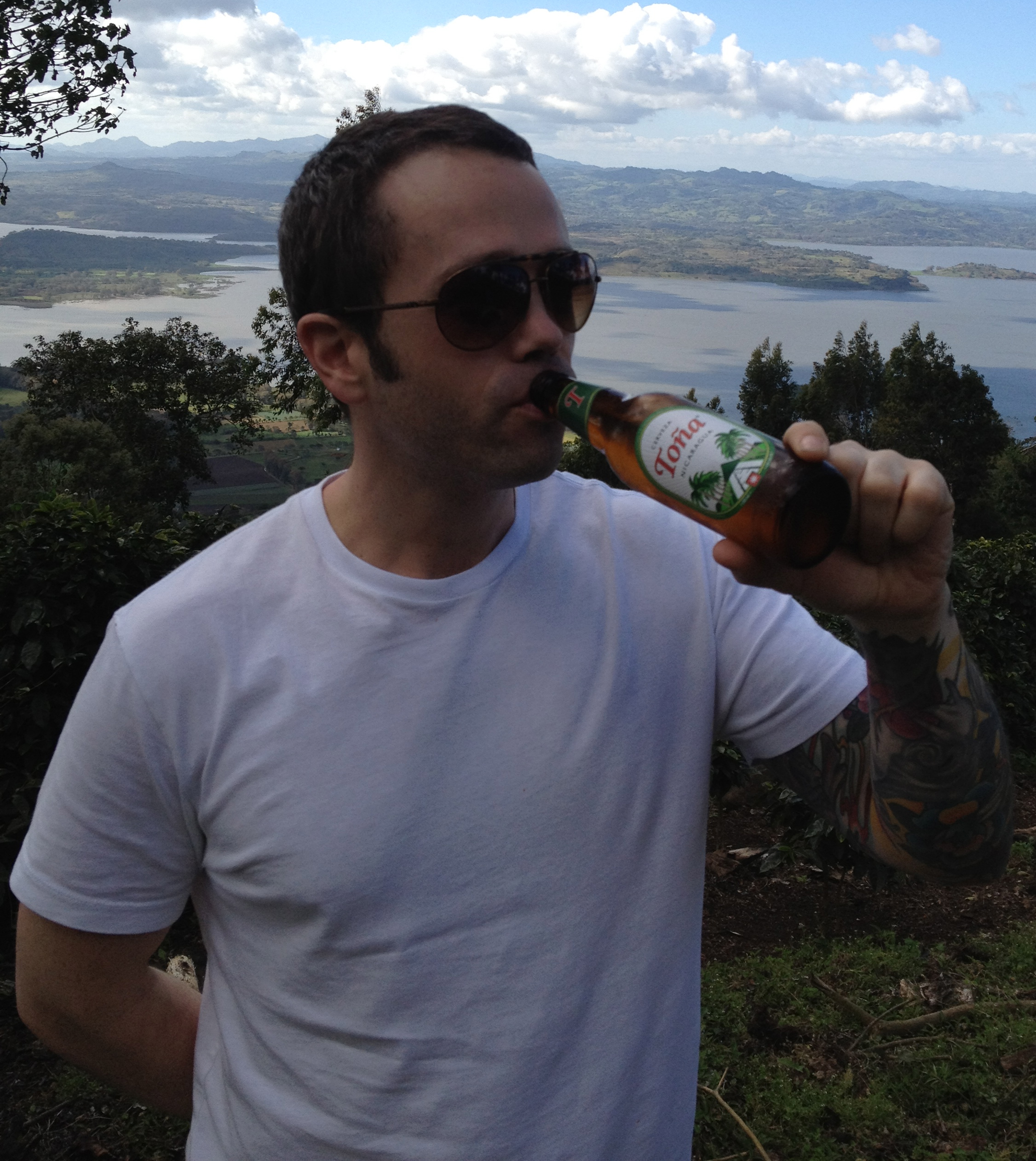


 Deaton